
 Written by
 Stretching more than 14,000 kilometers, China’s coastline is one of Asia’s most economically active and ecologically significant regions. In recent years, the ecological condition of these coastal zones has become a central focus of environmental management, climate adaptation planning, and marine biodiversity protection.
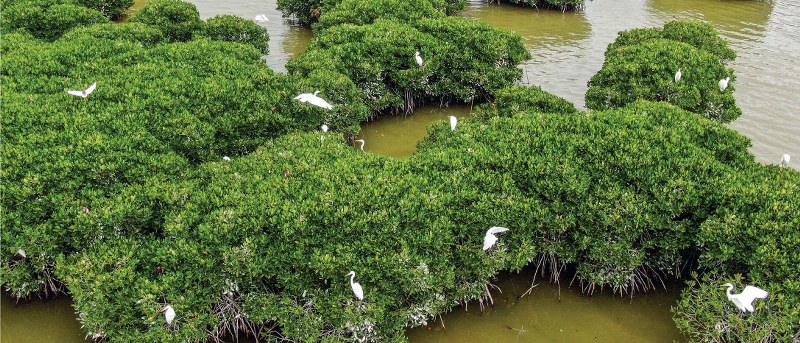
Coastal Ecosystems Under Recovery
China’s coastal belt includes mangrove forests in the south, temperate mudflats in the north, coral communities in tropical waters, and vast estuarine wetlands along major river deltas. These ecosystems serve as natural storm barriers, carbon sinks, fish breeding grounds, and water filtration systems.
Over the past few years, large-scale habitat restoration programs have focused on:
- Replanting mangrove forests
- Restoring tidal wetlands
- Expanding seagrass meadows
- Reducing shoreline erosion
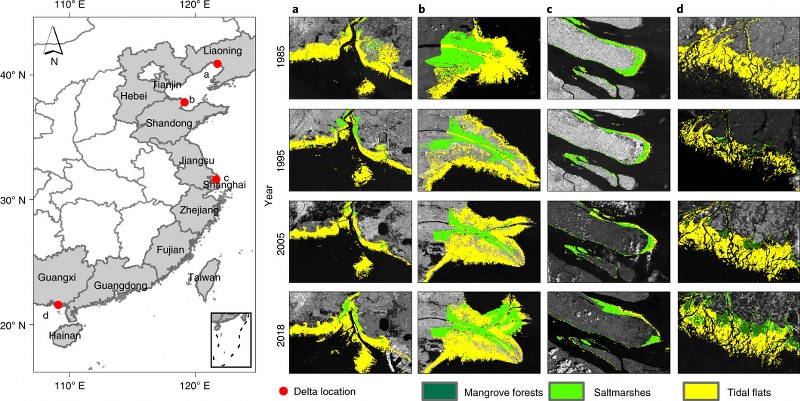
Monitoring assessments from environmental authorities indicate that several previously degraded bays now show gradual improvements in water clarity and biodiversity indicators. In some southern coastal regions, mangrove coverage has increased compared to levels recorded a decade ago.
Ongoing Environmental Pressures
Despite positive recovery trends, China’s coastline continues to face environmental challenges:
- Urban expansion and port construction
- Industrial discharge and nutrient runoff
- Seasonal algal blooms (red tides)
- Rising sea surface temperatures linked to climate change
- Coastal erosion in heavily developed zones
Rapid coastal development over past decades altered natural shorelines in some regions, replacing wetlands with artificial embankments. Current policy shifts aim to balance economic use with ecological resilience.
Science-Driven Management
Coastal monitoring networks now track water quality, marine species distribution, and shoreline stability more systematically than in previous decades. Satellite imaging, underwater mapping, and biodiversity surveys support adaptive management strategies.
Authorities are also strengthening marine protected areas and introducing stricter environmental review processes for new coastal construction projects. In climate-vulnerable areas, nature-based solutions — such as restoring wetlands instead of building concrete sea walls — are increasingly prioritized.
A Long-Term Ecological Transition
China’s coastal ecological outlook in 2026 reflects both recovery and responsibility. While environmental pressures remain, restoration investments and governance reforms signal a structural shift toward long-term sustainability.
The condition of China’s coastline will play a key role not only in regional biodiversity protection, but also in fisheries stability, disaster resilience, and carbon management strategies for decades to come.